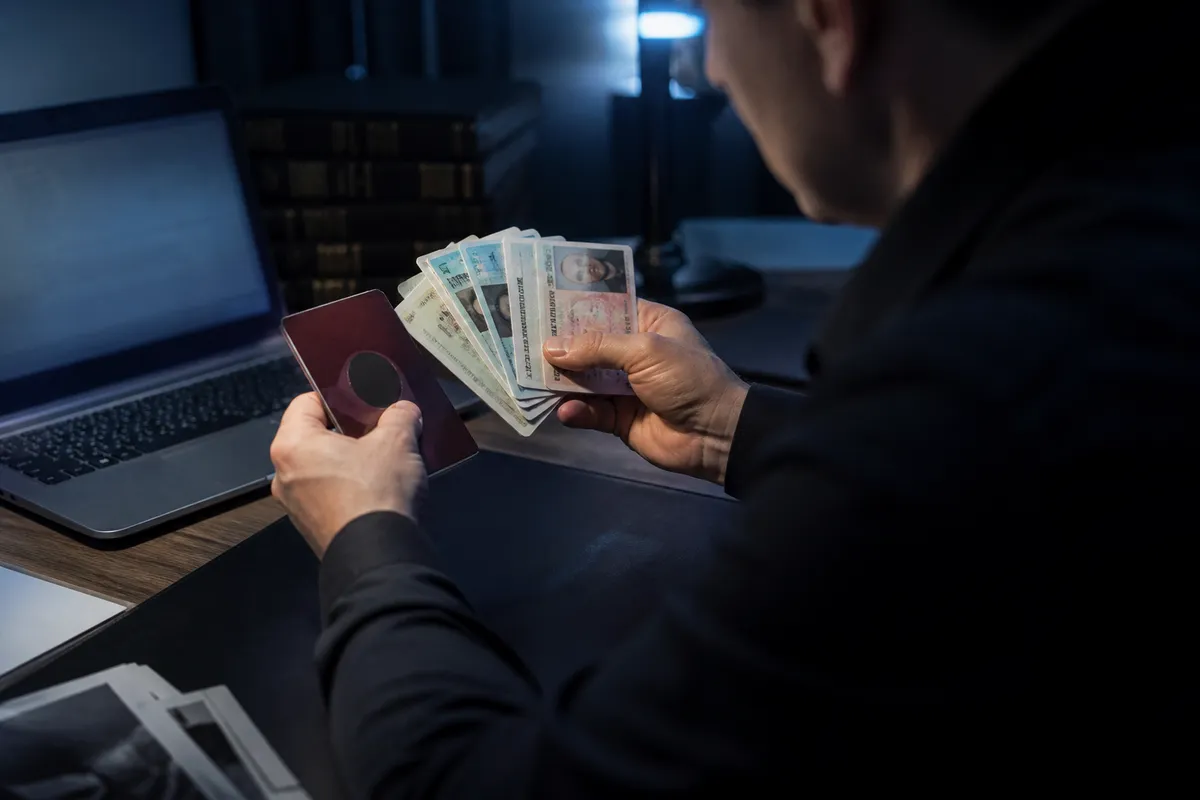
Is It Illegal to Make a Fake Birth Certificate?
This guide is for anyone curious about the legality of fake birth certificates and their potential legal repercussions.
Yes—making a fake birth certificate is generally illegal when it is intended to appear genuine or to deceive someone. It may amount to forgery, fraud, or falsifying an official document; possessing, buying, or using it can create separate offences. A clearly marked theatrical prop may be treated differently, depending on local law and how it is used.
Is It Illegal to Make a Fake Birth Certificate?
Yes, creating a fake birth certificate is generally illegal, especially when it is designed to appear official with the intent to deceive. This action can be classified as forgery or birth certificate fraud, both of which are serious offenses under the law. The specific nature of the offense and the penalties involved depend on several factors, including jurisdiction, the intent behind the act, and how the document is used.
In the United States, laws regarding fake birth certificates can vary significantly between states and at the federal level. For instance, under 18 U.S.C. § 1028, creating, using, or possessing a fraudulent identification document can lead to substantial penalties, including fines and imprisonment. If the intent is to defraud, such as using a fake birth certificate to obtain government benefits or to secure employment, the legal consequences can escalate. Charges may include identity theft or aggravated identity theft, which carry even harsher penalties under 18 U.S.C. § 1028A.
Possession of a fake birth certificate can also result in legal repercussions. Even if the document was never used, merely having it can be grounds for prosecution, particularly if it is intended for fraudulent purposes. Courts may consider factors such as the intent to defraud and whether there were any false statements made in relation to the document.
To avoid legal troubles, individuals should refrain from creating, buying, or using fake birth certificates. If one is in need of a certified copy of a birth certificate, it is advisable to obtain it through the appropriate vital records office. Understanding the laws governing document authentication and the potential risks associated with fake documents is crucial in navigating these issues. For more information on the legal consequences of purchasing fake documents, see Buying Fake Birth Certificates - Legal Consequences.
What Legally Counts as a Fake Birth Certificate?
A fake birth certificate can take several forms, each with its own legal implications. Understanding these distinctions is crucial for recognising what constitutes a fraudulent document.
Fabrication refers to the creation of a birth certificate from scratch, using false information. This type of document is entirely illegitimate and is considered a clear violation of the law. Alteration involves modifying an existing genuine birth certificate, such as changing the name, date, or registration number. Even if the original document is authentic, such changes can amount to forgery if done with the intent to deceive.
Using another person's birth certificate without permission is also illegal. This can lead to identity theft charges, especially if the intent is to assume that person's identity for fraudulent purposes. Submitting false information to a vital records office when applying for a birth certificate constitutes another form of fraud. This includes providing fake documents or misrepresenting one's identity.
A novelty document, clearly marked as such, may not fall under the same legal scrutiny, particularly if it is not intended for official use. However, the line can be blurred if the novelty certificate is used in a way that misleads others.
Changing specific details, such as a name, date of birth, or parental information, on a genuine birth certificate can lead to serious legal consequences. Under federal law, particularly 18 U.S.C. § 1028, these actions can be classified as forgery or fraud, resulting in significant penalties. It is essential to recognise that even minor alterations can constitute forgery if the intent to defraud is evident.
In summary, any attempt to create, alter, or misuse a birth certificate with fraudulent intent can lead to severe legal repercussions, including charges of identity theft or aggravated identity theft. Awareness of these distinctions can help the reader navigate the complexities of birth certificate fraud.
Making, Possessing, and Using a Fake Document Are Separate Issues
The legality of making, possessing, and using a fake birth certificate varies significantly based on intent and the context of its use. Each action can incur different legal consequences. The following table outlines these distinctions:
| Action | Legal Status | Examples of Use |
|---|---|---|
| Creating | Generally illegal; classified as forgery | Fabricating a birth certificate from scratch |
| Ordering | Generally illegal; intent to deceive | Purchasing a fake birth certificate online |
| Possessing | Potentially illegal; intent matters | Keeping a fake birth certificate in a drawer |
| Selling | Generally illegal; classified as trafficking | Offering fake birth certificates for sale |
| Transferring | Generally illegal; intent matters | Giving a friend a fake birth certificate |
| Presenting | Generally illegal; can lead to additional charges | Using a fake certificate for employment or benefits |
Intent and knowledge are critical factors in determining the legality of these actions. For example, if an individual creates or possesses a fake birth certificate with the intent to defraud—such as using it for employment, applying for a passport, or enrolling in school—they may face severe penalties. Under federal law, actions such as submitting a fake birth certificate for government benefits can lead to charges of identity theft, aggravated identity theft, or other serious offenses.
Submitting a fake certificate can also escalate legal repercussions. For instance, using it to falsely claim benefits or to misrepresent one's identity can lead to additional charges under 18 U.S.C. § 1001 for making false statements. Courts often consider the context and the intent behind the use of the document, which can influence the severity of the penalties imposed.
To avoid legal issues, it is advisable to refrain from any involvement with fake birth certificates. If a certified copy is needed, obtaining it through the appropriate vital records office is the legal route. Understanding the implications of document authentication and the potential for identity theft is essential in navigating these matters. For more information on the consequences of engaging with fake documents, see Buying Fake Birth Certificates - Legal Consequences.
Possible Criminal Charges and Penalties
Creating, possessing, or using a fake birth certificate can lead to various criminal charges, each with specific penalties. The nature of these charges often depends on the intent behind the actions and the context in which the document is used.
Forgery is a primary charge associated with the creation of a fake birth certificate. Under federal law, specifically 18 U.S.C. § 1028, creating or using fraudulent identification documents can result in penalties of up to 15 years in prison, depending on the circumstances. If the intent to defraud is established, additional charges such as identity theft may arise.
Possession of a fake birth certificate is also a serious offence. Even if the document was not used, merely having it can be grounds for prosecution, especially if it is intended for fraudulent purposes. Charges related to identity theft can escalate the penalties significantly. For example, aggravated identity theft, as defined in 18 U.S.C. § 1028A, carries a mandatory two-year federal prison term if the fake document is used to commit a crime.
False statements made in connection with a fake birth certificate can lead to further legal complications. Under 18 U.S.C. § 1001, making false statements to a government agency can incur additional charges, which may compound the penalties faced.
State laws also play a crucial role in determining the penalties for these actions. Charges can vary widely, with potential outcomes including fines, probation, and imprisonment. A criminal record can also result from these offences, impacting future opportunities and legal standing.
To summarise, the consequences of engaging with fake birth certificates can include:
- Forgery: Up to 15 years under 18 U.S.C. § 1028.
- Identity Theft: Charges can lead to years of imprisonment, especially if aggravated identity theft is involved.
- False Statements: Additional charges and penalties under 18 U.S.C. § 1001.
- State Charges: Varying fines, probation, and imprisonment depending on the jurisdiction.
Understanding these potential criminal charges and penalties is essential for anyone considering involvement with fake birth certificates. The risks involved highlight the importance of obtaining legitimate documents through appropriate channels, such as a vital records office.
Does Making or Buying One Online Change the Law?
Creating, commissioning, downloading, or purchasing a false birth certificate online remains illegal, regardless of the platform used, including dark-web marketplaces. The law does not differentiate between the methods of obtaining such documents; any attempt to acquire a fake birth certificate is subject to prosecution.
Digital communications, payment records, and shipping information can serve as evidence in legal proceedings. For example, if an individual orders a fake birth certificate, the transaction records may implicate them in the act of fraud, supporting allegations of conspiracy or an attempt to commit fraud.
Engaging with online vendors for fake documents can lead to serious legal complications. The intent to defraud is a critical element in these cases. If a person uses a fake birth certificate to secure employment, obtain government benefits, or commit identity theft, they may face charges under federal laws, such as 18 U.S.C. § 1028, which addresses fraudulent identification documents, and 18 U.S.C. § 1001, which penalises false statements to government entities.
Legal repercussions are not confined to the act of using a fake document. Simply possessing one can be grounds for prosecution if the intent to defraud is evident. Courts often evaluate the context of the possession, and even minimal involvement in the transaction can lead to significant penalties. For instance, if a person is found in possession of a fake birth certificate with the intent to use it fraudulently, they may be charged with identity theft or aggravated identity theft under 18 U.S.C. § 1028A.
To avoid these serious legal issues, individuals should refrain from any activities related to creating, buying, or using fake birth certificates. Obtaining a certified copy through the appropriate vital records office is the legitimate and legal route. Understanding the implications of document authentication and the severe consequences of engaging with fake documents is essential for anyone navigating these issues. For further insights into the legal consequences of purchasing fake documents, see Buying Fake Birth Certificates - Legal Consequences.
Legal Copies, Certified Copies, and Novelty Certificates
Photocopying an authentic birth certificate for personal records is generally permissible and differs significantly from counterfeiting. However, it remains essential to adhere to agency rules and local laws, which may vary by jurisdiction. Only an authorised vital records office can issue an official certified copy of a birth certificate, which carries legal weight and authenticity.
Novelty certificates, on the other hand, are designed for entertainment or commemorative purposes and are not valid identity documents. If these certificates are created or used with the intent to deceive, they can become illegal. For example, if someone presents a novelty certificate as an official document to gain employment or access services, it may lead to charges of document fraud or identity theft.
The distinction between legal copies and fraudulent documents is crucial. A legal certified copy is issued by a recognised authority and can be used for various official purposes, such as applying for a passport or enrolling in school. In contrast, using a forged document for identity verification can result in severe consequences, including charges under federal laws like 18 U.S.C. § 1028, which addresses the creation and use of fraudulent identification documents.
It is also important to note that even possessing a fake birth certificate can lead to legal repercussions if there is an intent to defraud. Courts often consider the context of use and the individual's knowledge of the document's authenticity. Therefore, the safest route is to obtain certified copies through the appropriate vital records office to avoid potential legal issues.
Understanding the implications of using different types of birth certificates is essential in navigating these complex legal waters. For more information on the consequences of engaging with fake documents, see Buying Fake Birth Certificates - Legal Consequences.
What Happens If You Have or Used a Fake Certificate?
Possessing or using a fake birth certificate can lead to serious legal consequences, which vary based on the intent behind the action. Knowing the difference between intentional use and accidental possession is crucial. For example, if a person unknowingly relies on a document provided by a parent or agent, the legal repercussions may differ from those faced by someone who knowingly uses a fake certificate to obtain benefits or misrepresent their identity.
Intent to defraud is a significant factor in determining legal outcomes. If a person is found to have created, purchased, or used a fake birth certificate with the intent to deceive—such as for employment, obtaining government benefits, or enrolling in educational institutions—they may face criminal charges. This can include identity theft, forgery, and making false statements to government agencies, which can lead to severe penalties under federal laws like 18 U.S.C. § 1028 and 18 U.S.C. § 1001.
Beyond prosecution, consequences can extend to various aspects of life. For instance, individuals may face application denials for jobs, loans, or government benefits if a fake birth certificate is discovered. They might also be required to repay any benefits fraudulently obtained. Immigration consequences can arise, especially if the document was used to gain legal status or residency. Furthermore, authorities may seize the fraudulent document and initiate an investigation into the individual's identity records.
It is critical to note that actions taken after the discovery of a fake certificate can exacerbate the situation. Destroying, altering, or lying about the document can lead to additional charges, further complicating legal standing. Courts often consider these actions as attempts to obstruct justice, which can lead to more severe penalties.
To summarise, the potential repercussions of having or using a fake birth certificate include:
- Criminal Charges: Identity theft and forgery can result in significant fines and imprisonment.
- Application Denials: Jobs, loans, and benefits may be revoked.
- Benefit Repayment: Individuals may be required to repay any fraudulently obtained benefits.
- Immigration Consequences: Using a fake certificate can affect legal residency status.
- Document Seizure: Authorities may confiscate the fraudulent document.
- Investigation: A deeper investigation into identity records may occur.
It is advisable for the reader to avoid any involvement with fake birth certificates and to seek legitimate documents through the appropriate vital records office. Understanding these implications is essential in navigating the complexities of identity verification and legal documentation.
What to Do If You Discover a Birth Certificate May Be Fake
Discovering that a birth certificate may be fake is a serious matter. Immediate action is crucial to mitigate potential legal consequences. Here is a safe action checklist to follow:
Stop Using the Document: Cease any use of the birth certificate immediately. Continuing to use a potentially fraudulent document can lead to severe legal repercussions.
Preserve the Document and Related Communications: Keep the original document and any correspondence related to its acquisition. This may serve as evidence if legal issues arise.
Request Verification or a Certified Copy: Contact the relevant vital records office to verify the authenticity of the birth certificate. Request a certified copy of the legitimate document, if available. This step is crucial for correcting any records that may have been affected.
Correct Affected Records: If the fake certificate has already been used, initiate the process to correct any records through official procedures. This may include notifying agencies or institutions that received the fraudulent document.
Seek Legal Advice: Consult a criminal-defense, immigration, or identity-document attorney, especially if the certificate has already been submitted for official purposes. An attorney can provide guidance tailored to the specific situation and help navigate the complexities of the law.
Avoid Contacting Suspected Sellers: Do not attempt to contact the seller of the fake birth certificate for a replacement or to make any self-corrections. Engaging with the seller can further complicate legal matters and may lead to additional charges.
Taking these steps can help the reader protect themselves from the potential ramifications of using a fake birth certificate, which can include charges of identity theft and forgery under laws such as 18 U.S.C. § 1028 and 18 U.S.C. § 1001. Understanding the legal landscape surrounding birth certificate fraud is essential for anyone who finds themselves in this situation.
Conduct-by-Consequence Table for Fake Birth Certificates
| Action | Knowledge Importance | Intent Importance | Jurisdiction Impact |
|---|---|---|---|
| Creation | High - Legal knowledge needed | Critical - Intent to defraud | Varies by state |
| Alteration | High - Understanding legality | Critical - Intent to deceive | Varies by state |
| Purchase | High - Awareness of laws | Critical - Intent to commit fraud | Federal and state laws apply |
| Possession | Moderate - Recognising authenticity | Critical - Intent to defraud | Varies by state |
| Transfer | High - Legal implications | Critical - Intent to deceive | Varies by state |
| Actual Use | High - Legal consequences | Critical - Intent to defraud | Federal laws apply |
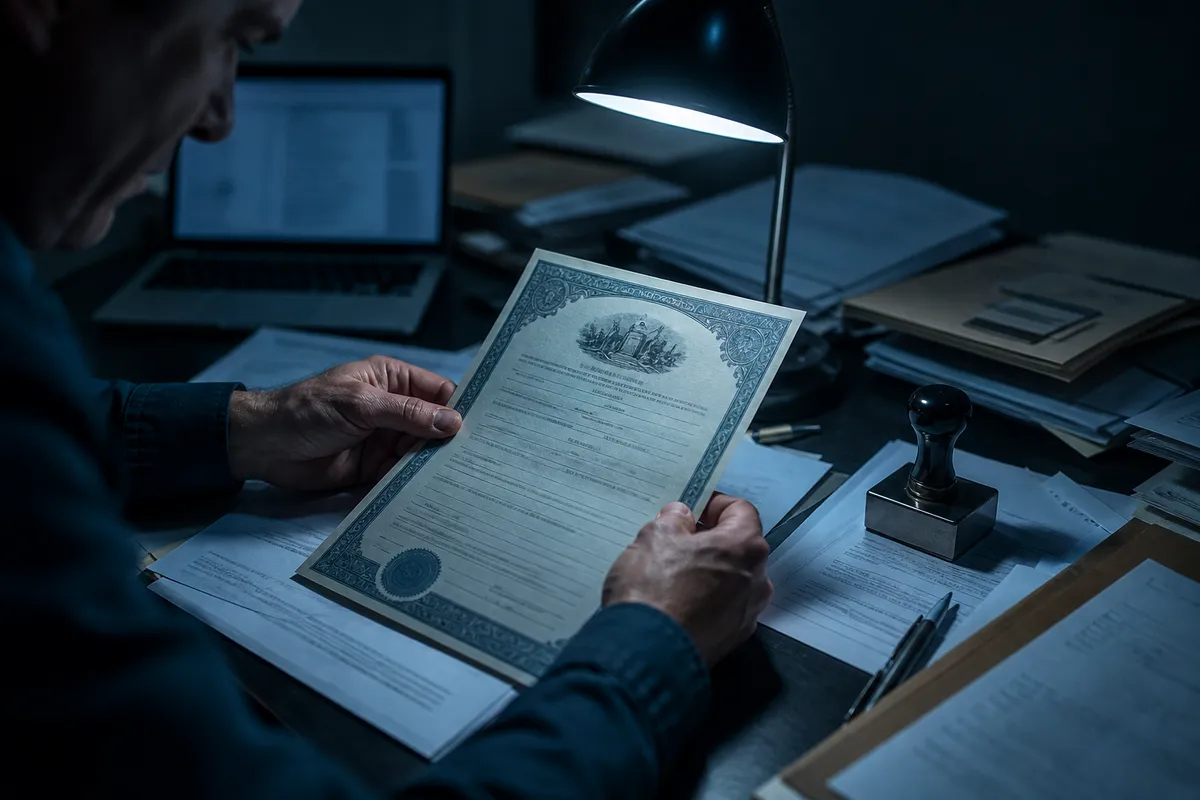
Conclusions
Is fabrication harmless? No.
- Creating or altering a birth certificate to mislead another person or organisation may constitute document fraud.
- Buying or holding a counterfeit can also create exposure when the surrounding evidence indicates planned deception.
- A novelty design offers no protection if it is presented as genuine for work, services, benefits, education, or immigration purposes.
- If authenticity is uncertain, stop presenting the certificate, retain related records, and arrange verification through the issuing authority.
- Seek legal advice before contacting a seller, changing the document, or making further statements to an agency.
Next, review Fake Documents Punishment - Legal Insights to assess the wider consequences that may follow.
Explore More on Legal Implications
Discover additional resources to understand legal consequences.